New Patients: Finding the right clinic shouldn't take forever! Click Here


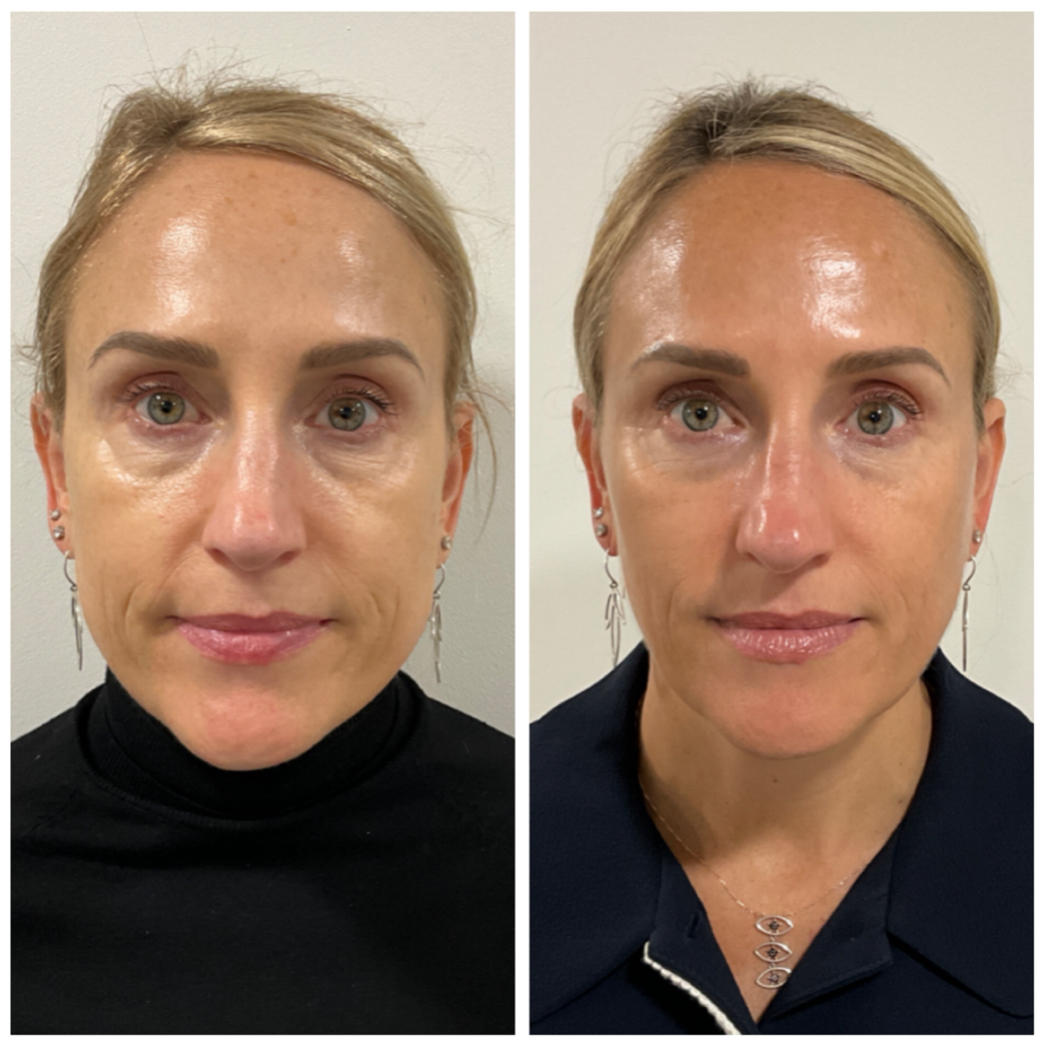
When most people think of facial aesthetics, Dermal Fillers are often one of the first treatments that comes to mind – and with good reason! Fillers have truly transformed how we clinicians treat volume loss, facial contours, and deep wrinkles. They deliver near-instant results, require minimal downtime, and remain one of the most effective ways to enhance your facial features in a natural-looking and balanced way [1].
That said, as aesthetic medicine continues to evolve, the conversation is shifting beyond just appearance to also consider long-term skin health. While Dermal Fillers are brilliant for creating structural support and definition, other treatments may be better suited to improving overall skin quality.
So how do Dermal Fillers compare to the newer generation of injectables like Profhilo, Sculptra, Polynucleotides, or Sunekos? And how do you know which ones align best for your goals?
Allow me to break it down and help you understand which treatment could work best for you.
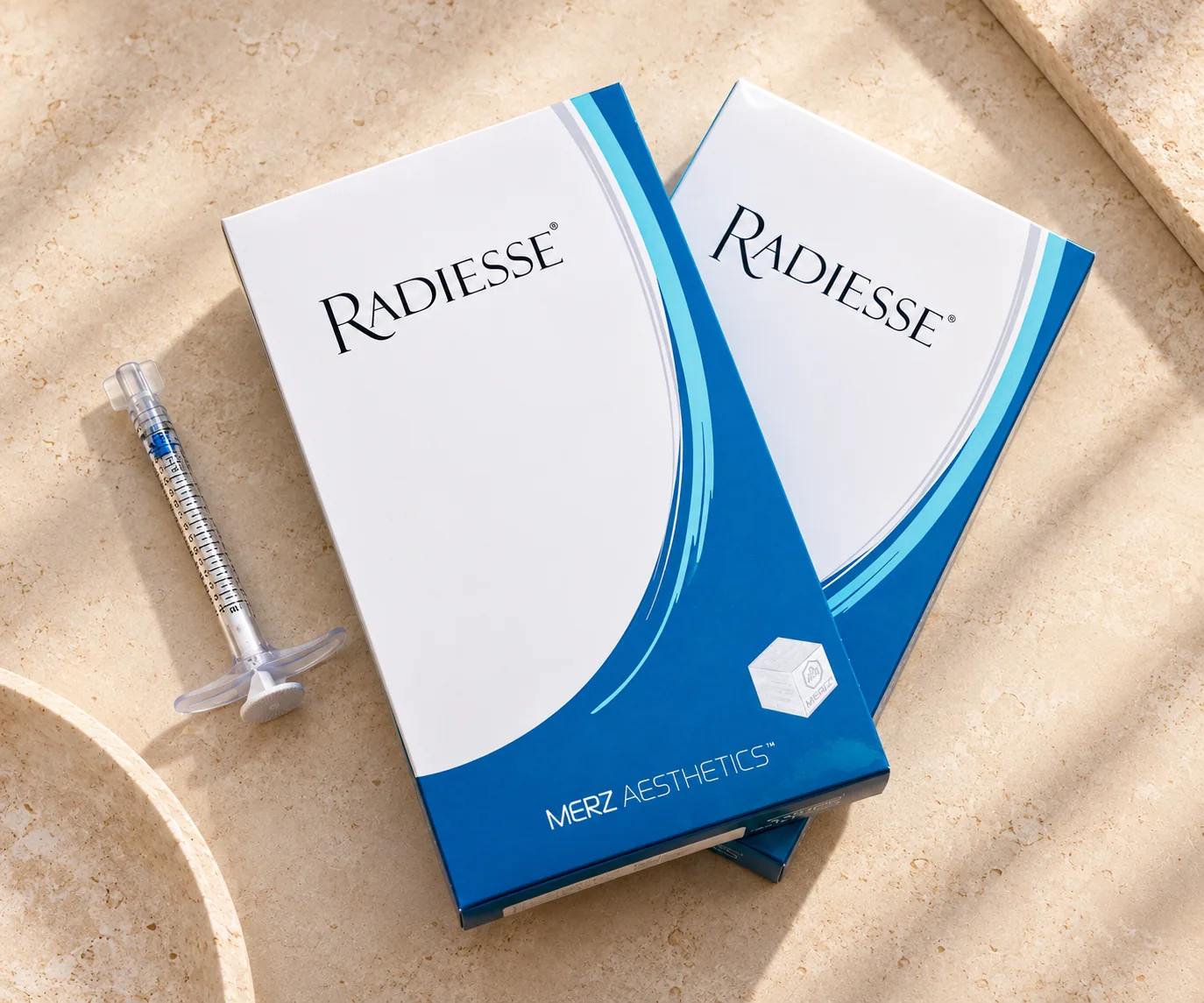
Dermal Fillers are gel-like substances – most commonly made of hyaluronic acid (HA) – injected beneath the skin to restore volume, sculpt features, and soften wrinkles [1]. They’re especially effective in areas that show early signs of ageing or volume depletion, including:
Dermal Fillers work by providing immediate structural support rather than stimulating biological repair processes. Some HA fillers can improve hydration to the treated areas [2], and certain formulations may have modest collagen-supporting effects [3], but these are limited compared to true bio-stimulators.
Here’s how Dermal Fillers compare to other popular injectable treatments.
While both Dermal Fillers and Profhilo contain hyaluronic acid, they work differently due to their structure. Fillers use cross-linked HA, allowing them to stay where they’re placed and add lift, projection, or volume. Profhilo uses high-purity, non-cross-linked HA that spreads beneath the skin and provides deep, long-lasting hydration [4].
I’d like to point out here that Profhilo doesn’t alter facial shape or add volume like Dermal Fillers do. Instead, it improves skin texture, elasticity, and hydration – making it ideal for dull, dehydrated, or lax skin that needs an overall refresh.
Sculptra is a collagen-stimulating injectable that uses poly-L-lactic acid (PLLA). This advanced mechanism induces gradual collagen formation, improving skin thickness and firmness over time [5][6]. So, where Dermal Fillers provide immediate lift and contour, Sculptra offers gradual volume restoration and dermal thickness.
While fillers are great for targeted treatment, Sculptra is better suited for broader restoration and long-term structural improvement. Sculptra typically requires a several sessions, with results building over months and lasting up to two years [5].
Polynucleotides are regenerative injectables derived from purified DNA fragments. They have documented benefits for improving skin elasticity, hydration, and overall skin quality – and are shown to support tissue repair through hydration and antioxidative properties [7][8].
Unlike fillers, polynucleotides do not add any volume. They’re ideal for delicate, thin, or damaged skin, and particularly effective in treating the under-eyes, forehead lines, or areas affected by scarring, pigmentation, or inflammation.
Sunekos combines hyaluronic acid with amino acids – a formulation shown to support extracellular matrix (ECM) regeneration and improve skin elasticity [9]. It’s gentler than fillers and can be used in areas where volume isn’t the issue but where skin quality needs improvement – like under the eyes or in early ageing.
While both treatments contain hyaluronic acid, Sunekos supports the skin’s structure and function rather than replacing lost volume. It’s ideal for subtle, natural skin enhancement and maintenance.
Fillers are suitable for adults across a wide age range from 20 years old to 100 years old. That’s because Dermal Fillers can be useful for young people seeking early contouring, to older patients looking to restore age-related volume loss.
I would recommend Dermal Fillers to patients who:
Fillers can be used alone or combined with other injectables for a more comprehensive approach. In fact, pairing fillers with skin boosters or bio-stimulators often delivers the best results – supporting the structure after the quality of the skin.
In my experience, Dermal Fillers remain one of the most effective ways to enhance facial structure – offering immediate lift, contour, and volume. However, the best way I can describe this injectable is as a structural treatment. For patients seeking improvements in skin health and quality, elasticity, or long term regeneration, Profhilo, Sculptra, Polynucleotides, or Sunekos can play an equally important role.
By combining Dermal Fillers with regenerative treatments, I can help you achieve both instant enhancement and long-term skin health – which in my opinion is the ideal balance for modern facial aesthetics.
Book your consultation today and allow me, Dr Yiannis, to help you choose the best treatment for your needs.
[1] De Boulle K, et al. A review of hyaluronic acid fillers for facial aesthetic enhancement. J Clin Aesthet Dermatol. 2021.
[2] NHS. Hyaluronic acid fillers – cosmetic procedure guidance. https://www.nhs.uk
[3] Wang F, et al. HA fillers and collagen production: clinical observations. Dermatol Surg. 2015.
[4] Profhilo safety & efficacy: Non-cross-linked HA bioremodeling review. J Cosmet Dermatol.
[5] Vleggaar D, Fitzgerald R. Sculptra (PLLA) and collagen stimulation: long-term data. Aesthetic Plast Surg.
[6] Bernardin A, et al. Poly-L-lactic acid for facial rejuvenation. Plast Reconstr Surg Glob Open. 2025.
[7] Cervelli V, et al. Polynucleotides in regenerative aesthetics. J Craniofac Surg.
[8] Kim J, et al. PNs improve skin elasticity and hydration. J Cosmet Laser Ther.
[9] Scientific background of Sunekos (amino acid + HA) for ECM regeneration: J Cosmet Dermatol.
Learn more about our unique consultation process, your Face-to-face hour – a dedicated 60-minute, in-person appointment with Dr Yiannis.
Face-to-face hour